Colorado's intense UV rays and weather extremes create unique challenges for Fort Collins homeowners, making it crucial to recognize when professional painting intervention is necessary.
Share:
Summary:
Colorado’s elevation means UV rays hit your home with more intensity than almost anywhere else in the country. When paint starts looking dull or you notice a powdery residue when you run your hand along the siding, that’s chalking—and it’s your paint literally breaking down at the molecular level.
This isn’t just cosmetic. Those resins that once protected your home have turned into chalk that serves no purpose. Moisture can now seep into your siding, causing warping and potentially costly repairs.
South and west-facing walls typically show this damage first since they bear the brunt of Colorado’s afternoon sun. If you’re seeing noticeable fading or chalking, you’re already past the point where touch-ups will help.

Fort Collins sits at over 5,000 feet elevation, where the sun’s rays travel through less atmosphere to reach your home. Combined with our 300+ days of sunshine annually, this creates a perfect storm for paint degradation that most homeowners don’t anticipate.
The UV radiation here breaks down chemical bonds in paint pigments, causing colors to fade and lose vibrancy much faster than the national average. What might last 7-10 years elsewhere often shows significant wear in 4-6 years in Fort Collins, especially on exposed surfaces.
Modern UV-resistant paints have dramatically improved this timeline, reducing annual fade rates from 7% to just 1-3%. But older paint jobs or lower-quality materials simply can’t withstand Colorado’s intense conditions. We know which products actually hold up and how to apply them for maximum longevity in Fort Collins weather patterns.
The key is catching fading before it progresses to chalking. Once you’re seeing that powdery residue, the protective barrier is compromised, and a complete repaint becomes necessary rather than optional. This is where experience with Colorado’s climate makes all the difference in both product selection and application technique.
When homeowners see chalking paint in Fort Collins, many assume it’s purely cosmetic and put off addressing it. This thinking can lead to expensive mistakes that go far beyond the cost of repainting.
Chalking occurs when UV rays break down the paint’s binding resins, leaving behind pigment particles that form that telltale powdery surface. Without those resins, your home loses its protective barrier against moisture. In Colorado’s climate, where we experience rapid temperature changes and occasional moisture from snow or summer storms, this exposure can cause serious problems.
Wood siding begins to warp and swell as moisture penetrates. Metal surfaces start to rust. Even vinyl siding can become brittle and crack when repeatedly exposed to temperature fluctuations without proper paint protection. What starts as a few hundred dollars in paint costs can quickly escalate to thousands in siding repairs or replacement.
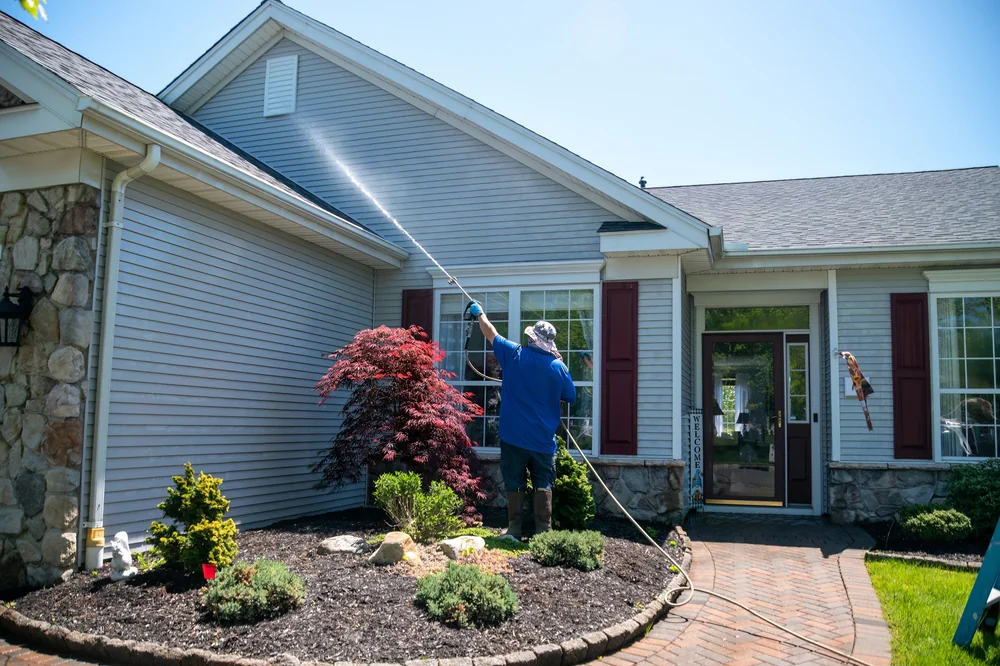
We understand this progression and can assess whether your home is at risk. We know how to properly prepare surfaces that have experienced chalking, including thorough pressure washing to remove all residue before applying new paint. Attempting to paint over chalking without proper preparation results in poor adhesion and premature failure—essentially throwing money away on a paint job that won’t last.
Want live answers?
Connect with a LF Rosa Painting expert for fast, friendly support.
Colorado’s dramatic temperature swings—from scorching summer afternoons to freezing winter nights—cause building materials to expand and contract constantly. When paint can’t flex with these movements, it cracks and eventually peels away from surfaces.
Peeling paint is more than unsightly. It’s an invitation for moisture to penetrate your home’s exterior, potentially leading to rot, mold, and structural damage. Once peeling starts, it accelerates quickly, especially during Fort Collins’ freeze-thaw cycles where water gets into cracks, freezes, expands, and breaks the paint’s bond even further.
This type of damage requires professional assessment to determine the underlying cause and proper repair approach before any new paint can be applied.

Many Fort Collins homeowners see peeling paint and think it’s a simple weekend project. However, attempting to scrape and repaint significant areas without proper preparation often creates more problems than it solves—and can even be dangerous.
If your home was built before 1978, peeling paint may contain lead, requiring special handling and disposal procedures. Even without lead concerns, improperly prepared surfaces lead to poor paint adhesion and premature failure. We know how to identify the root cause of peeling—whether it’s moisture intrusion, incompatible paint layers, or inadequate surface preparation during previous paint jobs.
The preparation process for peeling paint is labor-intensive and requires the right tools and techniques. It involves scraping loose paint, sanding rough edges, filling gaps and holes, and applying appropriate primers based on the surface material and existing paint type. Skip any of these steps, and your new paint job will likely fail within a year or two.
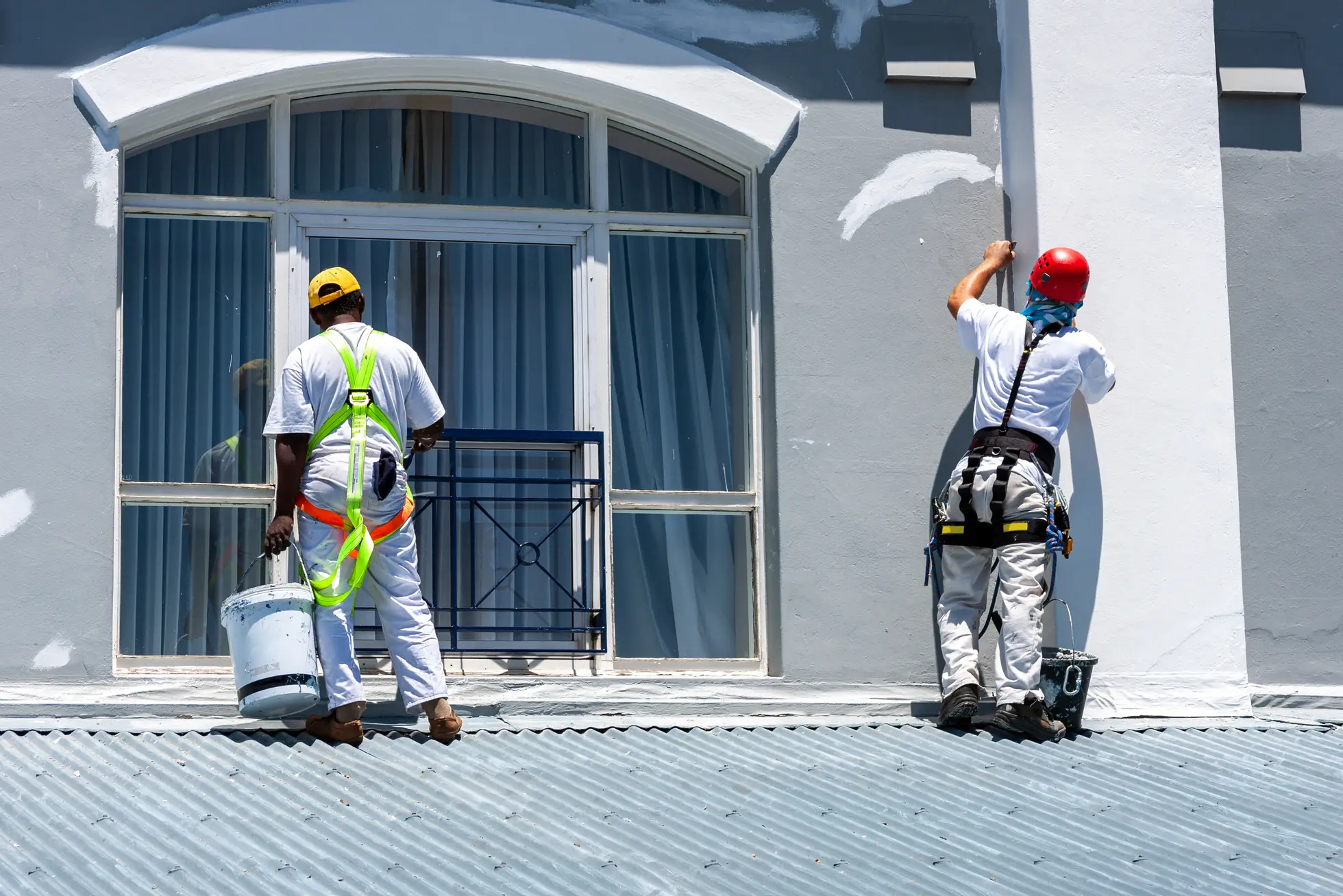
We also have the equipment to safely work on multi-story homes and steep-pitched roofs common in Fort Collins. Attempting to reach high areas without proper scaffolding or safety equipment puts homeowners at serious risk of injury. The cost of professional painting is minimal compared to potential medical bills or the expense of redoing a failed DIY job.
Fort Collins’ semi-arid climate can be deceiving when it comes to moisture issues. While we don’t get heavy rainfall, the moisture that does occur—from snow, summer storms, or even morning dew—can cause significant paint problems when combined with temperature extremes.
We recognize specific failure patterns that indicate moisture intrusion. Peeling that occurs primarily around windows, doors, or roof lines often signals caulking failure or flashing problems that need addressing before repainting. Paint that bubbles or blisters usually indicates moisture trapped beneath the surface, requiring investigation to find and fix the source.
These issues require more than just scraping and repainting. They need systematic evaluation of the building envelope to identify where moisture is entering and how to prevent future problems. This might involve recaulking, improving ventilation, or addressing drainage issues that a typical homeowner wouldn’t recognize.
Ignoring these warning signs and simply painting over them leads to recurring problems and wasted money. With our experience working on Fort Collins homes, we understand these patterns and can recommend comprehensive solutions that address both the immediate painting needs and underlying moisture concerns. This approach ensures your investment in new paint actually lasts and protects your home properly.
Recognizing these warning signs early can save you thousands in repair costs and protect your home’s value in Fort Collins’ competitive real estate market. We don’t just apply paint—we provide a protective system designed to withstand our intense UV exposure, temperature extremes, and moisture challenges.
The difference between a paint job that lasts 3-4 years and one that protects your home for 8-10 years often comes down to proper surface preparation, quality materials, and application techniques that account for local conditions. When you’re ready to protect your investment with professional expertise, L F Rosa Painting brings over 15 years of experience helping Fort Collins homeowners maintain and enhance their homes with lasting results.
Article details:
Share:
Continue learning: