Colorado's intense sun and freeze-thaw cycles destroy unprotected wood. Discover professional wood finishes that actually last in Campion's challenging climate.
Share:
Summary:
Most homeowners get burned by products that work elsewhere but fail miserably here. The problem isn’t the wood – it’s using the wrong approach for Colorado conditions.
Temperature swings from below freezing to 80+ degrees cause wood to expand and contract constantly. Add intense UV radiation at elevation, plus moisture from snow and sudden storms, and you’ve got a perfect storm for wood damage. Many store-bought stains sit on the surface instead of penetrating, which means they peel and fail within a year or two.
Walk through any Campion neighborhood and you’ll see the same mistakes repeated over and over. Decks with peeling stain that looks worse than bare wood. Fences that are gray on the south side but still have color on the north. Wood that’s splintering because the previous finish provided zero protection.
The biggest mistake is choosing water-based stains from big box stores. These products might get decent reviews, but they can’t handle Colorado’s climate. Water-based stains sit on top of the wood surface like a thin film. When our temperature swings hit, that film cracks and peels. You end up with a mess that’s harder to fix than if you’d done nothing at all.
Another common error is timing. You can’t just pick any weekend to stain your deck. Colorado weather changes fast, and if you get caught by an afternoon storm or temperature drop, you’re starting over. The wood needs specific conditions to accept the stain properly – the right temperature range, low humidity, and at least 24-48 hours of dry weather ahead.
Then there’s the prep work most people skip. Your wood needs to be clean, dry, and properly sanded to accept stain. If there’s old finish peeling off, mill glaze on new wood, or dirt and mildew buildup, the new stain won’t penetrate correctly. You’ll get blotchy coverage that fails quickly.
Professional wood finishing starts with understanding your specific wood type and exposure conditions. A deck facing south gets hammered by UV all day long. A fence in a shaded area deals more with moisture and mildew. Each situation needs a different approach.
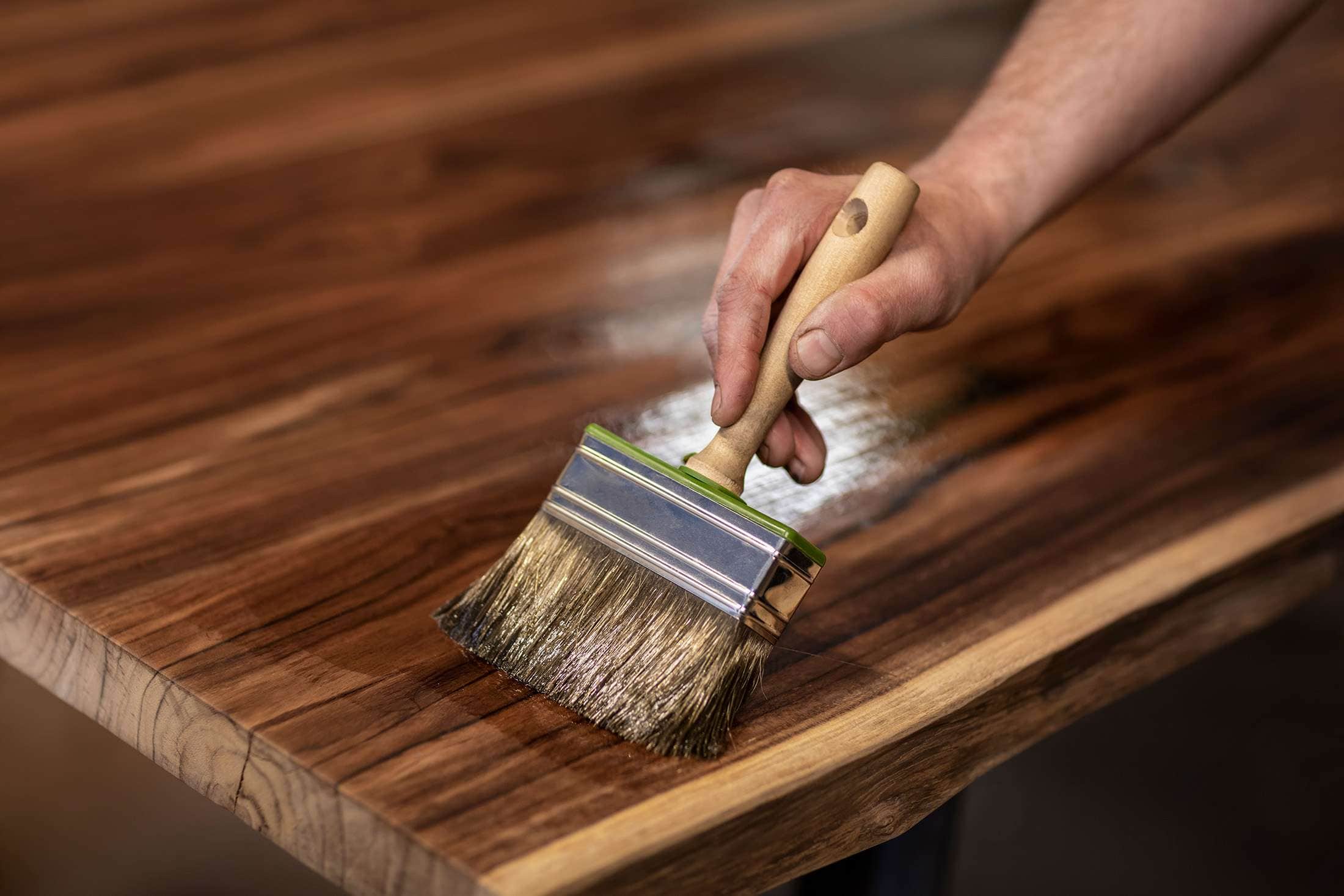
Penetrating oil-based finishes work best for high-traffic horizontal surfaces like deck floors. These products soak deep into the wood fibers instead of sitting on top. When the wood expands and contracts, the finish moves with it instead of cracking. For vertical surfaces like railings and fences, you have more options including semi-transparent stains that provide color while still showing the wood grain.
The key is proper surface preparation. This means cleaning off all dirt, mildew, and loose material. Old finishes that are peeling need to be completely removed – you can’t just stain over them. New pressure-treated lumber needs the mill glaze sanded off so the stain can penetrate. Each board needs to be checked for damage, loose nails, or other issues that could cause problems later.
Product selection matters too. You want stains specifically formulated for harsh climates with UV blockers and mildew resistance. Quality brands like Sherwin-Williams Duration or Benjamin Moore Aura are designed for Colorado conditions. These products cost more upfront but last significantly longer than cheaper alternatives.
Want live answers?
Connect with a LF Rosa Painting expert for fast, friendly support.
Real wood finishing is more than just slapping on some stain. It’s a systematic process that addresses every factor that could cause premature failure.
The process starts with a thorough assessment of your wood’s condition, exposure, and previous treatments. This determines the prep work needed and the best products for your situation. Some projects need light cleaning and one coat of stain. Others require complete stripping, sanding, and multiple applications.
Weather timing is critical. The wood needs to be completely dry, temperatures in the right range, and no precipitation expected for at least 48 hours. Colorado’s weather can change fast, so this requires careful planning and flexibility.
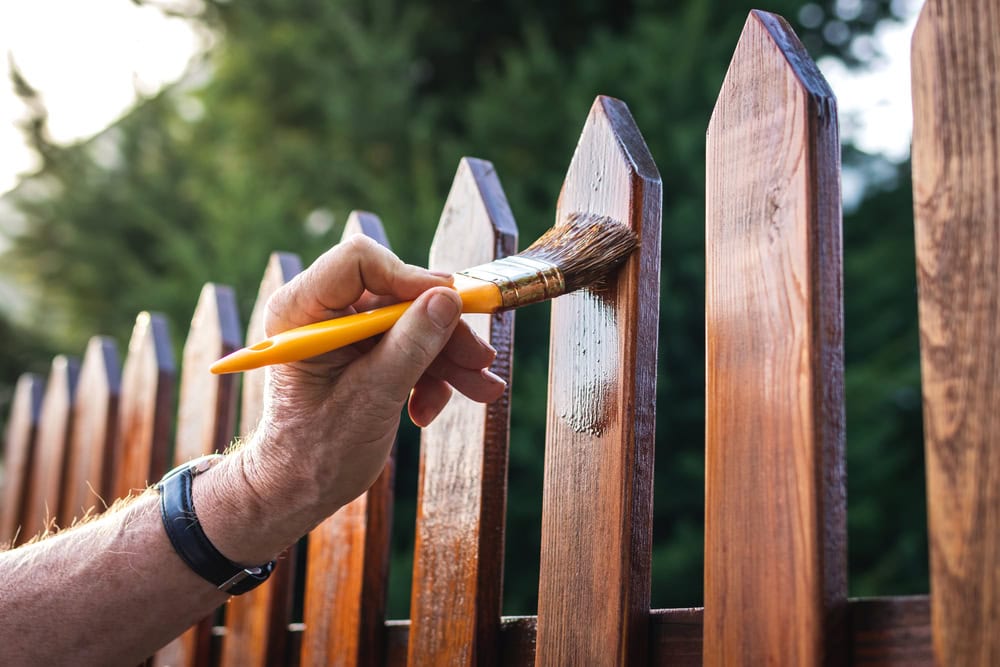
Most wood finishing failures happen because of poor preparation, not bad products. Your wood needs to be in the right condition to accept and hold the finish long-term.
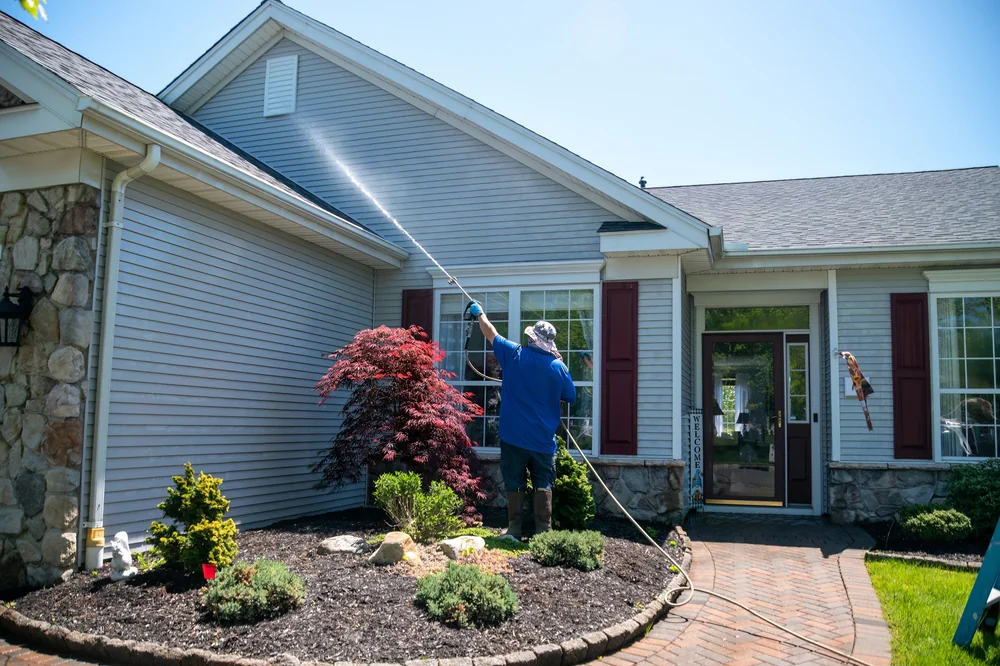
Cleaning comes first. This means removing all dirt, pollen, mildew, and loose material. Power washing works for most situations, but the pressure and technique matter. Too much pressure can damage the wood fibers. Too little won’t remove embedded dirt. The wood then needs time to dry completely – usually 24-48 hours depending on weather conditions.
Next comes damage assessment and repair. Loose boards get secured. Protruding nails get countersunk. Splinters and rough areas get sanded smooth. Any rot or structural issues get addressed before finishing begins. This prevents problems from getting worse under the new finish.
Surface preparation varies by wood type and condition. New lumber often has a mill glaze that prevents stain penetration. This needs to be sanded off with the right grit paper. Weathered wood might need heavier sanding to remove gray surface fibers and open up the grain for stain absorption. Previously finished wood requires the most work – all loose or peeling finish must be completely removed.
The final prep step is protecting surrounding areas. Landscaping gets covered or moved. Adjacent surfaces get masked off. This prevents stain from getting where it doesn’t belong and makes cleanup much easier.
Not all wood finishes are created equal, especially in Colorado’s challenging climate. The right choice depends on your wood type, exposure conditions, and maintenance preferences.
For deck floors and other high-traffic horizontal surfaces, penetrating oil finishes provide the best protection. These products soak deep into the wood grain and don’t form a surface film that can be scratched or worn off. They need reapplication every 2-3 years but maintain protection even as they wear. Popular options include semi-transparent stains that add color while preserving the wood’s natural character.
Vertical surfaces like railings and fences have different requirements. They don’t get the foot traffic but face more direct weather exposure. Semi-solid stains work well here, providing more color coverage and UV protection while still allowing some wood grain to show through. For maximum protection and color options, solid stains essentially act like paint but with better penetration characteristics.
Clear sealers might seem appealing but rarely work well in Colorado. Without pigments to block UV rays, the wood still grays and deteriorates. The sealer itself breaks down quickly under intense sun exposure. Semi-transparent stains with UV blockers provide much better long-term protection.
Color choice affects performance too. Darker colors absorb more heat, which can cause more wood movement and faster finish breakdown. Lighter colors reflect heat but might not hide imperfections as well. Natural wood tones tend to age most gracefully and are easiest to maintain.
Professional wood finishing isn’t just about having the right tools and products. It’s about understanding how Colorado’s climate affects wood and finishes, then adapting the process accordingly.
The difference shows in the details. Proper timing based on weather forecasts and wood moisture content. Using the right products for each specific situation instead of one-size-fits-all solutions. Taking time for thorough preparation that prevents future problems. Applying finishes in conditions that ensure proper penetration and curing.
Most importantly, it’s about getting results that last. Your wood finishing should protect your investment for years, not months. When you’re ready to protect your deck, fence, or other exterior wood properly, we bring over 15 years of experience working with Colorado’s unique challenges.
Article details:
Share:
Continue learning: